TEI Brake Caliper s60 Plus
Video Overview
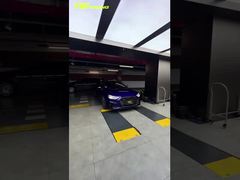
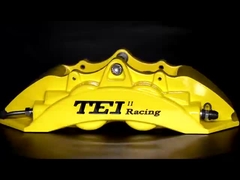
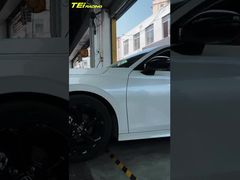
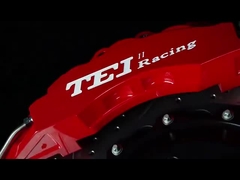
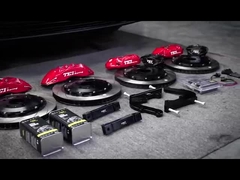
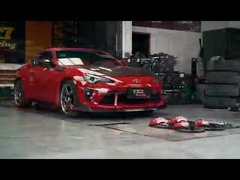
Let’s dive in — see this solution in action and notice the key moments. In this video, we showcase the TEI S60 Plus 6-Piston Big Brake Kit installed on a FORD EXPLORER. You'll get a detailed walkthrough of its one-piece forged construction, the installation process for 22-inch wheels, and a demonstration of its high-performance braking capabilities on the street.
Product Featured in This Video
- Designed for FORD EXPLORER 2015-2020 models with 22-inch or larger wheels.
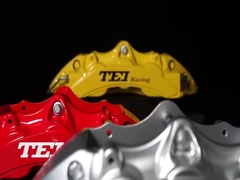
- Features a 6-piston forged caliper for maximum braking power and control.
- Includes 405x34mm high-carbon alloy disc rotors in slotted, drilled, or hybrid designs.
- Constructed from lightweight aerospace aluminum alloy for superior strength and thermal stability.
- Uses ceramic brake pads with a friction coefficient of μ=0.38-0.43 for consistent performance.
- Delivers an average 100-0 km/h stopping time of just 2.5 seconds.
- Engineered with one-piece construction for reduced flex and even pressure distribution.
- Optimized for high-performance street driving applications and repeated high-speed stops.
Faqs
- What vehicle models is the TEI S60 Plus Big Brake Kit compatible with?This brake kit is specifically designed for the FORD EXPLORER models from 2015 to 2020.
- What wheel size is required for installation?The TEI S60 Plus Big Brake Kit is engineered to fit vehicles with 19-inch and larger wheels, including the specified 22-inch wheel application for the FORD EXPLORER.
- What are the key performance benefits of the one-piece forged construction?The one-piece forged construction provides superior rigidity and thermal stability, ensuring even pressure distribution, reduced flex under load, and a consistent pedal feel during aggressive or repeated high-speed braking.
- What type of brake pads and rotors are included in the kit?The kit includes ceramic brake pads with a friction coefficient of μ=0.38-0.43 and G3500 high-carbon alloy disc rotors, available in slotted, drilled, or hybrid designs for optimal performance and heat dissipation.
...more
Show less